
Is Citric Acid Bad for You? the Real Safety Facts
Citric acid is generally safe and not bad for you at normal dietary levels. Concentrated exposure, especially in cleaning or skincare products, can irritate the eyes, skin, stomach, or respiratory tract depending on the dose and route.
The popular advice says to fear the ingredient name. That's the wrong starting point. “Citric acid” describes a substance, not the complete risk. A small amount in food, a repeated acidic drink, a dry cleaning powder, and a concentrated descaler create very different exposure patterns.
The useful question is simpler: How much citric acid are you encountering, and where does it go? Once you ask that, the subject becomes less alarming and more practical. You can enjoy foods that contain citric acid, protect your teeth from repeated acid contact, and handle household products responsibly without treating every chemical-sounding label as a threat.
Table of Contents
- Rethinking Ingredient Safety and Exposure Routes
- Navigating Dietary Exposure and Dental Health
- Managing Skin and Eye Irritation Risks
- Evaluating Safety for Pets and Sensitive Households
- Choosing Values-Aligned and Low-Waste Cleaners
- Practical First Aid and Safe Handling Habits
Rethinking Ingredient Safety and Exposure Routes
The ingredient name alone cannot tell you whether citric acid is safe. Citric acid occurs naturally in citrus fruits and also functions as a normal intermediate in human metabolism. Manufacturers commonly produce it through fermentation, then add it to food, medicines, cosmetics, and cleaning products as an acidity regulator, preservative, antioxidant, or flavoring component. Its source matters less than the finished product and the way you encounter it.
Concentration and exposure route matter more than the label alone. Food-grade citric acid eaten in a meal creates a different exposure from a concentrated solution splashed into an eye. A drink sipped slowly keeps acid against teeth longer than the same drink consumed with food. A diluted cosmetic formula differs from dry powder that may become airborne during handling.
Food-grade citric acid is recognized as generally recognized as safe, or GRAS, by the FAO/WHO Expert Committee on Food Additives, and no Acceptable Daily Intake limit is required. This describes ordinary dietary use, not every possible situation. A concentrated cleaner can still irritate tissue, even though the same substance has a routine role in food.
A more useful way to read labels
Four questions make an ingredient label easier to interpret:
- Purpose: Does citric acid add tartness, preserve food, adjust pH, or remove mineral buildup?
- Form: Is it diluted in a drink or cream, or sold as powder or concentrated liquid?
- Contact: Will it be swallowed, left on skin, splashed into eyes, or inhaled?
- Frequency: Is contact occasional, or does it recur throughout the day?
The same questions help you evaluate a brand's practices. Look for clear information about an ingredient's function, product testing, and handling precautions. A company that explains its verification process gives customers more useful information than a vague “natural” claim. This explanation of what third-party testing means can help clarify what independent checks do and do not establish.
“Natural” is not a complete safety assessment. Lemon juice can irritate teeth and sensitive tissue, while a manufactured ingredient can serve a useful purpose at a controlled concentration. A lower-waste cleaner should be judged by its full formulation, packaging choices, testing information, and directions for use. Safety depends on the whole product and the exposure it creates.
Navigating Dietary Exposure and Dental Health
Citric acid is common in food because it does several jobs at once. It adds tartness, helps control acidity, and supports preservation. Citrus fruits contain it naturally, while manufactured foods, drinks, and supplements may contain smaller amounts that people consume repeatedly.
Its history also explains why the ingredient name appears on so many labels. Citric acid was first commercially produced in England around 1826 from imported Italian lemons. Lemon juice remained the main source until 1919, when industrial fermentation using Aspergillus niger began in Belgium, as documented in the review of citric acid production and uses.
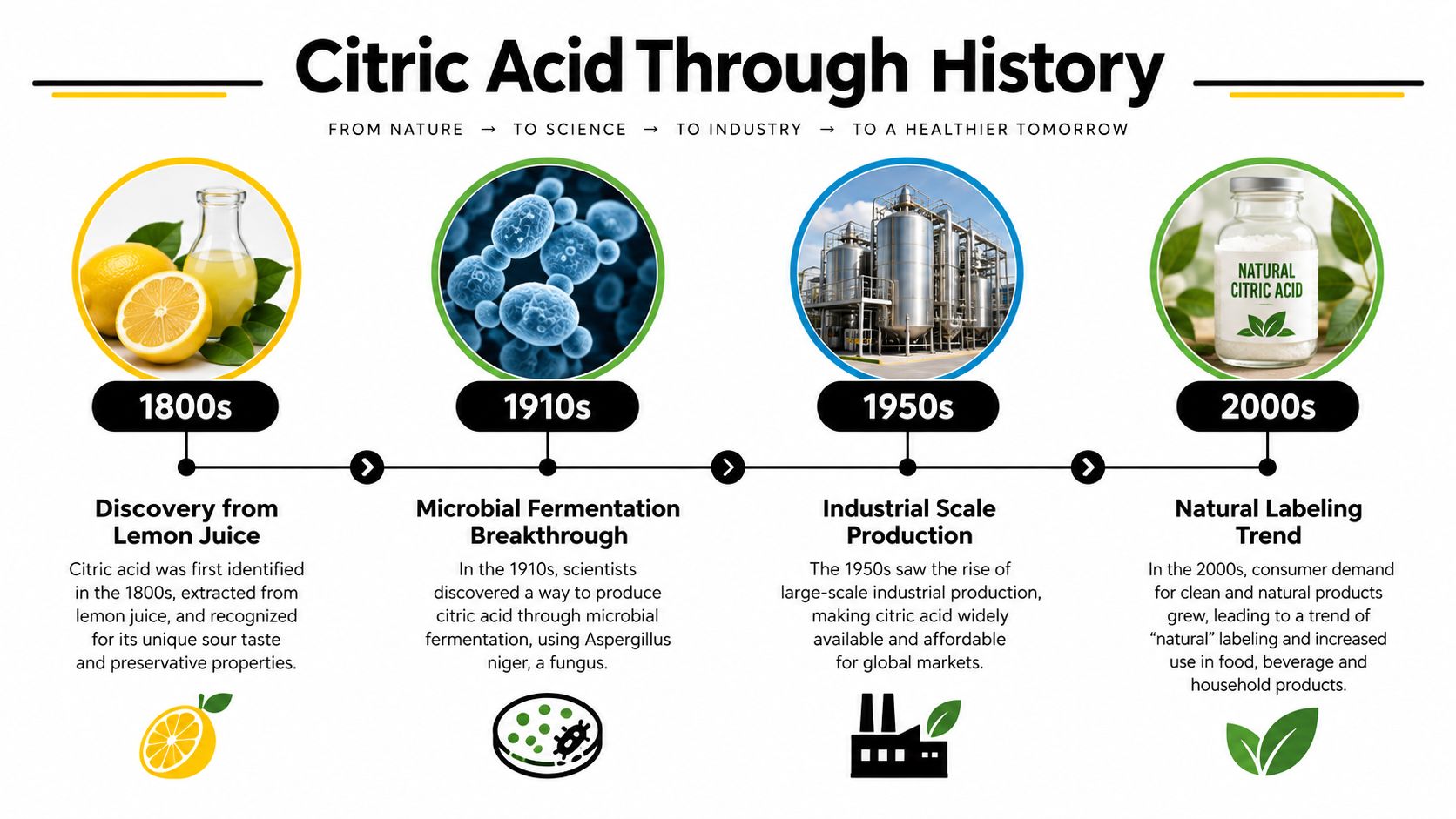
Fermentation made citric acid inexpensive and widely available. It did not make the ingredient inherently more dangerous than the citric acid in a lemon. For teeth, concentration and contact pattern matter more than whether the acid came from fruit or fermentation. A brief exposure is different from holding an acidic drink against the teeth or returning to it throughout the day.
The dental issue is frequency
The main dietary concern is repeated acid contact with enamel. The American Dental Association's guidance on dental erosion identifies foods and beverages with pH values around 2.0–3.5 as major predisposing factors for extrinsic dental erosion and enamel demineralization.
A person who sips lemonade throughout the afternoon repeatedly places the tooth surface in an acidic environment. The same pattern can occur with sour candy, slowly consumed soft drinks, or acidic supplements. Saliva buffers acid and supports remineralization, but frequent small exposures leave it less time to help.
Simple habits can reduce repeated contact:
- Pair acidic foods with meals: Eating them with other foods reduces isolated acid exposure.
- Avoid sipping for hours: Finish an acidic drink instead of carrying it through the day.
- Use water afterward: Water helps clear acid remaining in the mouth.
- Don't brush immediately after acid exposure: Allow saliva time to buffer the mouth before brushing.
- Review the whole routine: A sour drink, acidic snack, and chewable supplement can create more repeated contact together than any one item alone.
People with enamel sensitivity or a history of erosion may need a routine designed for their mouth. A dentist can assess wear and suggest suitable products and habits. This guidance on diet and hygiene for stronger enamel offers practical support alongside professional care.
You don't need to eliminate citric acid from your diet. Focus on how concentrated the exposure is, how it reaches your mouth, and how often it happens. That same exposure-based thinking helps distinguish ordinary dietary use from concentrated cleaning products, while leaving room to choose low-waste brands that explain their formulations and handling instructions clearly.
Managing Skin and Eye Irritation Risks
Citric acid becomes a different practical concern when you move from the table to the cleaning cabinet. Powdered citric acid and concentrated solutions are useful for descaling kettles, shower fixtures, and other mineral deposits, but direct contact can irritate skin, eyes, and the respiratory tract.
Canada's hazard assessment notes that citric acid solutions at 30% or greater meet the criteria for eye irritation, while concentrations of 10% or lower do not, as reported in the citric acid hazard assessment. This distinction illustrates why “citric acid is safe” and “citric acid can irritate you” can both be true.
Match precautions to the product
Read the product label before mixing or applying anything. A ready-to-use, diluted spray may need ordinary household care, while a concentrated descaler or bulk powder deserves more attention.
- Protect your eyes: Wear safety glasses when mixing powders or working overhead, particularly around faucets and shower fixtures.
- Protect your hands: Use household cleaning gloves if you have sensitive skin or are handling a concentrated solution.
- Control airborne powder: Pour slowly, avoid shaking open bags, and mix in a well-ventilated area.
- Dilute carefully: Add the product according to its directions, and never assume that a stronger mixture will clean better.
- Keep products separate: Don't combine citric acid with unknown cleaners. Mixing household chemicals can create irritating fumes or reduce cleaning performance.
A skincare product requires the same ingredient literacy. A formulated product should identify its intended use and provide directions. Avoid improvising a strong acid solution for your face, especially if you have eczema, broken skin, or a history of sensitivity. If you're evaluating ingredients because a pet has a reaction to food or grooming products, you may also find Bandana Rx's information on pet food sensitivities helpful.
For a focused discussion of how formulators use this ingredient in personal care, see citric acid in skincare.
Practical rule: Treat concentration as a safety signal. The stronger the formula and the closer it gets to your eyes, lungs, or damaged skin, the more carefully you should handle it.
Citric acid isn't broadly classified as unsafe at typical use levels. It's better understood as an acidic material with low concern in ordinary food use and clear irritation potential in concentrated contact scenarios.
Evaluating Safety for Pets and Sensitive Households
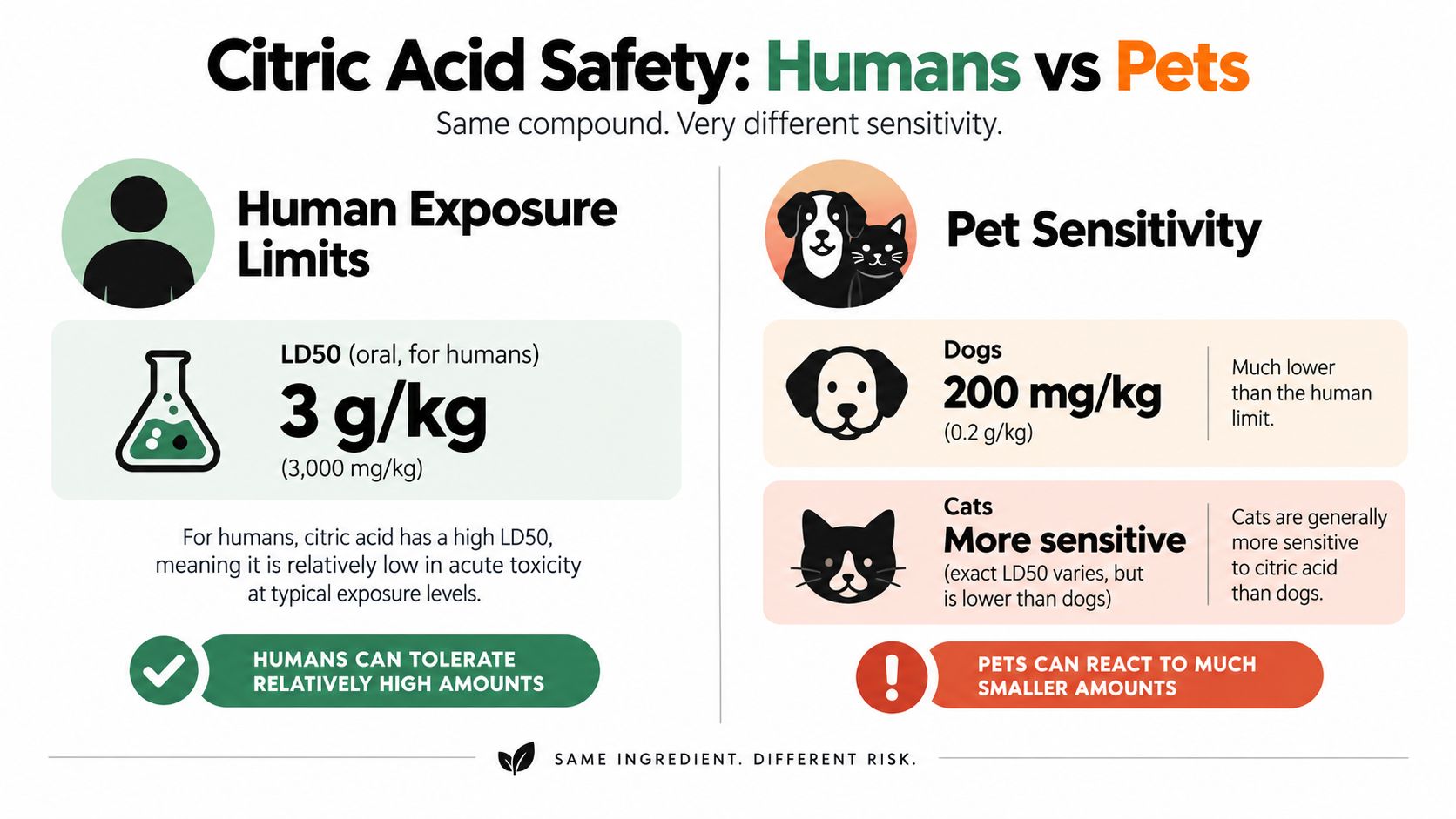
A cleaner that seems manageable to an adult can create different risks for animals. Dogs and cats spend more time near floors and treated surfaces, may lick residues, and have sensitive noses and airways. Their smaller bodies and grooming habits also change how accidental exposure happens.
The citric acid base itself isn't the whole formulation. A product may also contain fragrances, essential oils, surfactants, dyes, or other ingredients that deserve separate scrutiny. An unscented formula with a short, transparent ingredient list is easier to evaluate than a heavily fragranced product that leaves residue where an animal eats, sleeps, or walks.
Compare the exposure, not just the ingredient
| Household situation | Main concern | Sensible response |
|---|---|---|
| Food containing citric acid | Dietary exposure | Use normally unless a veterinarian or clinician has given specific advice |
| Diluted cleaner on a hard surface | Residue and licking | Follow directions, wipe or rinse where appropriate, and let the surface dry |
| Concentrated powder | Inhalation or direct contact | Keep pets away while mixing and store the container securely |
| Fragranced cleaner | Additional formulation ingredients | Prefer simple, unscented products around animals |
| Spill or eye contact | Irritation | Rinse promptly and contact a veterinarian if symptoms persist |
A USDA handling review states that citric acid degrades into non-toxic and non-persistent environmental products and is listed by the EPA as a minimal-risk inert ingredient, according to the USDA review of citric acid handling. That environmental profile doesn't eliminate immediate irritation risk from a wet spill or airborne powder, but it helps separate household handling from concerns about long-term persistence.
Keep the routine simple
Use cleaners according to their instructions, prevent pets from licking wet surfaces, and ventilate rooms while applying strong products. Store powders and concentrates in sealed, labeled containers rather than transferring them to an unmarked jar.
Cats deserve particular caution around essential oils and fragrance blends. Dogs may also react to residues or fumes, especially if they already have respiratory sensitivity. If you're building a wider home safety routine, you can browse essential pet safety tips for guidance that extends beyond cleaning products.
Households with children, pets, asthma, or fragrance sensitivity have a strong reason to choose low-scent or unscented products with clear directions. The safest option is often the one that solves the cleaning task without adding unnecessary ingredients.
For related guidance on keeping everyday products safer around young family members, see kid-safe cleaning products.
Choosing Values-Aligned and Low-Waste Cleaners
Ingredient safety is only one part of a responsible purchase. The company behind a cleaner determines how clearly it communicates risks, whether it avoids unnecessary additives, and what happens to the packaging after you finish the product.
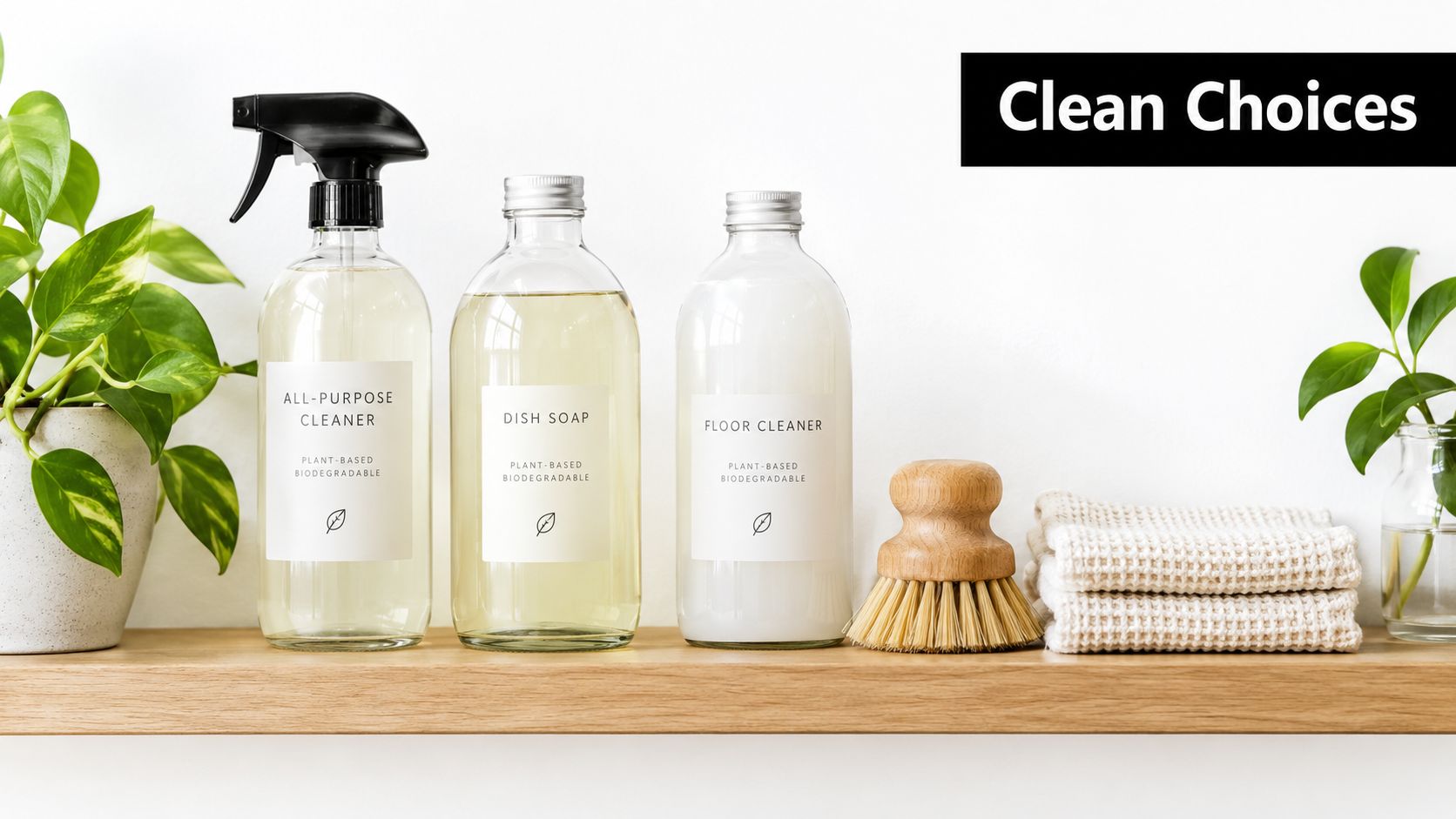
Values-aligned shopping doesn't require perfection. It means looking for practical signals: a transparent ingredient list, clear dilution instructions, refill options, durable packaging, and a willingness to explain how the formula affects people, pets, and waterways.
Buy the whole system
A low-waste cleaner should reduce waste without creating a new safety problem. A refill concentrate may save packaging, but only if the instructions make dilution straightforward and the container remains clearly labeled. A fragrance-free formula may be a better choice for a pet household, but the product still needs to clean effectively at the intended strength.
Look for these characteristics:
- Refill infrastructure: Refill stations, reusable containers, or return programs make low-waste habits easier to sustain.
- Specific packaging information: Responsible brands explain what bags, boxes, labels, and bottles are made from and how customers should handle them.
- Clear formulation language: Avoid vague promises that hide the actual ingredients or intended concentration.
- Evidence of testing: Third-party certifications or testing can help verify performance and safety claims.
- Community investment: A company's ownership, labor practices, and local relationships matter if your purchases are meant to reflect your values.
Companies such as Fillaree demonstrate how a women-owned manufacturing business can connect effective household products with a circular refill approach. Its system includes refill stations, home refills in 0.5-gallon boxes, and a take-back process for used bags. Those choices show that reducing single-use plastic can be designed into the business model rather than left to individual customers.
Support the companies doing the work
Supporting good companies means asking what they do beyond the front label. Do they make refilling convenient? Do they reduce packaging across the supply chain? Do they communicate responsibly about ingredients instead of using fear to sell a “natural” alternative?
Your spending can reward those choices. When you choose a product with a simple formula, clear safety instructions, refillable packaging, and a company that takes responsibility for its materials, you're supporting an approach that values both household health and resource conservation.
That's a more durable standard than choosing products based on whether “citric acid” sounds natural. Good cleaning products should work, explain themselves, and fit the kind of home and community you want to build.
Practical First Aid and Safe Handling Habits
Even familiar household ingredients deserve basic precautions. If dry citric acid powder gets into your eyes, move away from the source and flush your eyes immediately with clean, gently flowing water. Remove contact lenses if they come out easily, continue rinsing, and seek medical advice if pain, redness, or vision changes continue.
For skin contact, rinse the area thoroughly with water and remove contaminated clothing. Stop using the product if irritation develops. If you inhale powder and begin coughing or feel short of breath, move into fresh air and seek medical help if symptoms don't settle.
Keep a short household checklist
- Mix carefully: Work slowly in a ventilated space and avoid creating dust.
- Label everything: Keep the original instructions or label with the product.
- Store securely: Seal powders and concentrates, then place them away from children and pets.
- Use protective equipment: Keep cleaning gloves and eye protection available for stronger mixtures.
- Rinse appropriately: Follow the product directions for wiping or rinsing treated surfaces.
- Get help when needed: Contact a poison information service, clinician, or veterinarian after significant exposure or persistent symptoms.
A sealed container also prevents moisture from changing the powder and keeps curious hands and paws away. Don't store citric acid beside food unless it's clearly identified and separated from ingredients used for cooking.
For a visual reminder of these steps, watch the following handling guide:
Citric acid can be a useful ingredient in food, personal care, and household cleaning. The safest approach isn't fear or blind reassurance. It's appropriate concentration, sensible handling, good ventilation, clear labeling, and attention to how often a product contacts your body or home surfaces.
Fillaree offers refillable soaps, dish care, body products, and all-purpose cleaners designed to support effective cleaning with less single-use plastic. Visit Fillaree to explore low-waste refills and support a women-owned company that connects practical products with community and sustainability.